Engineering & invention · Science · Texts & cultural history
Leonardo da Vinci
Artist, inventor and observer of flight
Also known as Da Vinci · Leonardo
Historical portrait · Image credit
Who they are
Leonardo da Vinci studied bird anatomy, wings, air and wind while considering how humans might fly. His Codex on the Flight of Birds, compiled around 1505–1506, joins observation with mechanical speculation. It belongs here as an early effort to understand flight, centuries before successful powered aircraft.
The flight notebook provides historical context for the timeline’s later aviation milestones.
Selected contributions
- Compiled observations of bird flight and ideas about human flight in a surviving notebook.Source ↗
Selected works
Archival document · c. 1505–1506
Codex on the Flight of Birds
Leonardo’s notebook records observations of bird flight and ideas about flight mechanics. The catalogue is an entry point to the manuscript; this blurb uses catalogue information and the previously inspected Smithsonian account, not a reading of the complete codex.
Reading scope & citation
Search-indexed LOC catalogue excerpt and existing Smithsonian description; direct catalogue page blocked and manuscript not read.
In the timeline
Biography sources & portrait credit
- Leonardo da Vinci: Birdwatcher ↗Smithsonian / Air & Space
- Codex on the Flight of Birds ↗Library of Congress / World Digital Library catalogue
Portrait credit
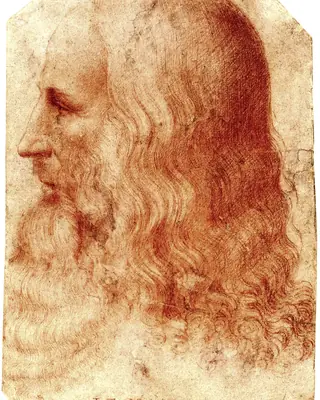
Attributed to Francesco Melzi. Public domain (Commons file-specific copyright declaration). Via Wikimedia Commons.
Historical portrait. Cropped to 4:5, resized to 320 × 400 and converted to WebP.
Image source & identification ↗ · Public domain (Commons file-specific copyright declaration) ↗

