Philosophy · Science
René Descartes
Philosopher of method and knowledge
Also known as Rene Descartes · Renatus Cartesius
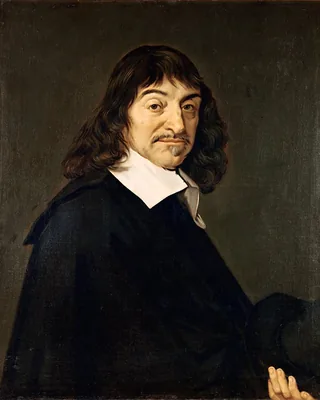
Later depiction · Image credit
Who they are
René Descartes was a philosopher whose Discourse on the Method described a disciplined approach to reasoning and inquiry. Its methodological precepts emphasize accepting clearly understood propositions, breaking difficult questions into parts, proceeding in order and reviewing the result. His presence marks an influential historical argument about how knowledge should be pursued and justified.
He contributes to the timeline’s history of inquiry and evidence, not a documented UAP research program.
Selected contributions
Selected works
Book · 1637
Discourse on the Method of Rightly Conducting One's Reason and of Seeking Truth in the Sciences
Descartes explains his approach to reasoning and inquiry, including dividing problems, ordering their solution and checking completeness. The selected opening sections connect the history of scientific method with the timeline’s broader questions about evidence.
The original French work appeared in 1637; the linked text is John Veitch’s later English translation, transcribed by Project Gutenberg.
Reading scope & citation
Reused first-edition catalogue metadata for Maire’s printing role and previously inspected translated methodological passages; no new facsimile review. Reused prior inspected evidence: Relevant translated primary passages inspected; no claim of reviewing every application or endorsing the metaphysical system.
In the timeline
Biography sources & portrait credit
- Discourse on the Method of Rightly Conducting One's Reason and of Seeking Truth in the Sciences ↗Project Gutenberg transcription of the translation
- Discours de la methode pour bien conduire sa raison, & chercher la verité dans les sciences ↗Utrecht University Library record of Leiden University Library copy; original printer Jan Maire
Portrait credit
Unknown artist after Frans Hals. Public domain (Commons file-specific copyright declaration). Via Wikimedia Commons.
Later depiction. Cropped to 4:5, resized to 320 × 400 and converted to WebP.
Image source & identification ↗ · Public domain (Commons file-specific copyright declaration) ↗

